


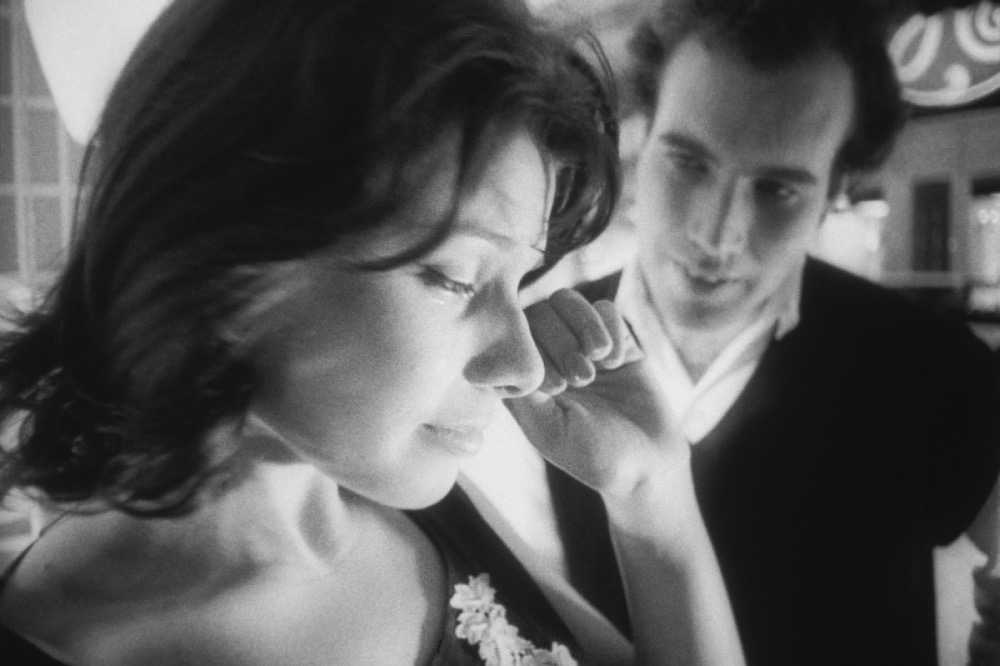
Soy Cuba: Soy Cuba, R: Mikhail Kalatozov, mit Luz María Collazo, José Gallardo, Raúl García, Cuba/UDSSR 1964, 141 Min,
[OmeU, Engl. Subt.]
+ 2 € für Solar
DE
Besoffene US-Marines grölen «USA - the most glorious country in the world» und belästigen eine junge Frau. Ein junger Kubaner kommt ihr selbstlos zur Hilfe. Studenten dementieren die Falschmeldung, Fidel Castro sei gefallen. Und auch der einfache Bauer hat begriffen, um was es geht und dass die Barbudos um Fidel und Ché um eine gerechte Sache kämpfen. Er schliesst sich den Rebellen an und sagt zu jenem, den er verköstigte, «jetzt brauche ich ein Gewehr!» Sie stossen auf Radio Rebelde, dem Sender der Revolutionäre in der Sierra Maestra im Osten Kubas, der die Ziele der Revolution erläutert: volle Unabhängigkeit von den USA und Souveränität des Landes. «¡Libertad o muerte!». Der Rest ist Geschichte.
In vier Episoden singt der legendäre sowjetische Regisseur Mikhail Kalatozov, der mit „Wenn die Kraniche ziehen“ Filmgeschichte schrieb, eine Hymne auf die kubanische Revolution.
Der legendäre Klassiker entstand 1964, also nach der gescheiterten Invasion von US-Exilkubanern in der Schweinebucht, als Kuba sich erst für den sozialistischen Weg entschieden hat. Die restaurierte Kopie lässt den filmhistorischen Meilenstein in altem Glanz erstrahlen, aber auch die heissen Rhythmen der damaligen Zeit.
Ästhetisch steht der Film ganz in der Tradition des großen sowjetischen Revolutionskinos eines Eisenstein oder Pudowkin. Der Film beschreibt die Zeit in einer phänomenalen Bildsprache, in akrobatischen Kamerabewegungen und einer Montage, die aus dem Vollen der klassischen sowjetischen Filmkunst schöpft; der andererseits aber auch der Besonderheit der karibischen Insel und ihrer musikalischen Energie ein Denkmal setzt.
Die suggestive Kameraführung ließ „Soy Cuba“ zu einem filmhistorischen Meilenstein werden, der nach Jahrzehnten des Vergessens Anfang der 90er Jahre mit Unterstützung von Francis Ford Coppola und Martin Scorsese restauriert und der Welt zugänglich gemacht wurde.
EN
Drunken US Marines bellow “USA – the most glorious country in the world” and harass a young woman. A young Cuban selflessly comes to her aid. Students deny the false report that Fidel Castro has been killed. And even the ordinary farmer has realised what is at stake and that the “Barbudos” led by Fidel and Che are fighting for a just cause. He joins the rebels and says to the man he had fed, ‘Now I need a rifle!’ They come across Radio Rebelde, the revolutionaries’ radio station in the Sierra Maestra in eastern Cuba, which explains the aims of the revolution: full independence from the US and the country’s sovereignty. ‘¡Libertad o muerte!’ The rest is history.
Across four episodes, the legendary Soviet director Mikhail Kalatozov – who made film history with *The Cranes Are Flying* – sings the praises of the Cuban Revolution.
This legendary classic was made in 1964, following the failed invasion of the Bay of Pigs by Cuban exiles in the US, at a time when Cuba had just committed itself to the socialist path.
The restored version allows this milestone in film history to shine in its former glory, whilst also bringing to life the vibrant rhythms of that era. Aesthetically, the film stands firmly in the tradition of the great Soviet revolutionary cinema of Eisenstein and Pudovkin.
The film depicts the era through phenomenal visual language, acrobatic camera movements and a montage that draws fully upon the rich tradition of classical Soviet cinematic art; yet it also pays tribute to the unique character of the Caribbean island and its musical energy. Its suggestive cinematography made *Soy Cuba* a milestone in film history; after decades of falling into oblivion, it was restored in the early 1990s with the support of Francis Ford Coppola and Martin Scorsese and made available to the world.
ES
Unos marines estadounidenses borrachos gritan «EE. UU., el país más glorioso del mundo» y acosan a una joven. Un joven cubano acude desinteresadamente en su ayuda. Estudiantes desmienten la noticia falsa de que Fidel Castro haya caído.
Y hasta el campesino más humilde ha comprendido de qué se trata y que los barbudos de Fidel y el Che luchan por una causa justa. Se une a los rebeldes y le dice a aquel a quien le había dado de comer: «¡Ahora necesito un rifle!».
Se topan con Radio Rebelde, la emisora de los revolucionarios en la Sierra Maestra, al este de Cuba, que explica los objetivos de la revolución: la independencia total de Estados Unidos y la soberanía del país. «¡Libertad o muerte!». El resto es historia.
El legendario director ruso Mijaíl Kalatozov, cineasta de fama histórica por su filme „Cuando vuelan los cigueñas“, le canta un himno a la Revolución Cubana en cuatro episodios. Mientras en los dos primeros se denuncia la injusticia social y la maldad de los yanquis, responsables por ella, las otras dos celebran el heroísmo y la voluntad de sacrificio de los revolucionarios.
Estéticamente, la película se encuentra totalmente en la tradición del gran cine soviético revolucionario de un Eisenstein o Pudowkin y se destaca por el „acrobatico“ trabajo de la cámara.
El filme fue sacado del olvido y restaurado en los 90 con el apoyo de Francis Ford Coppola y Martin Scorsese. Un hito de la historia del cine.
Trailer: