


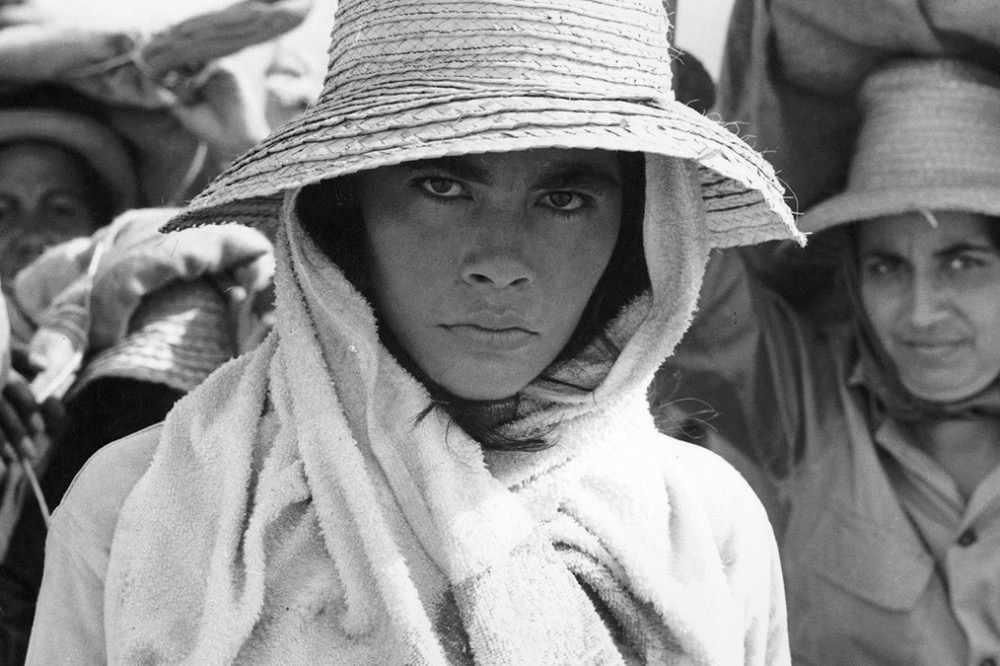
Soy Cuba: Lucía, Cuba 1968, R: Humberto Solás, mit Raquel Revuelta, Eslinda Núñez, Adela Legrá, 160 Min, OmU
+ 2 € für Solar
DE
Ein Vorname für drei Frauen. Jede steht mit ihrer Geschichte für einen Schlüsselmoment in der Geschichte Kubas: 1895, 1932, 1960erJahre. Der Klassiker Lucía war Humberto Solás' erster Spielfilm. Solás gestaltete ausgesprochen stilbewusst ein fliessendes Triptychon, in dem er die Entwicklung der Gesellschaft an den drei Lucías spiegelt. Der Film gilt als einer der bedeutendsten Filme in der Geschichte des lateinamerikanischen Kinos. Episode I Die erste Handlung spielt um 1895 zur Zeit des Kampfs gegen die spanischen Kolonialherren. Lucía gehört der wohlbehüteten kleinen Schicht der Besitzenden an und verliebt sich in Rafael, der halb Kubaner halb Spanier ist. Die Liebe Lucías wird enttäuscht durch die Kunde, dass Rafael auch in Spanien eine Frau hat und eine Tocher. Mitten im Kriegsgetümmel lässt er Lucía im Stich, sie hat nur noch eines im Sinn: Den Mann ihrer Träume umzubringen. Episode II Die Lucía der zweiten Epoche stammt aus gutbürgerlichem Hause. Sie verliebt sich 1932 in den Freiheitskämpfer Aldo, der gegen den Diktator Machado kämpft, verlässt für ihn den Schutz des Elternhauses und unterstützt ihn im Kampf. Der Machthaber wird zwar gestürzt, aber Korruption und Misswirtschaft bleiben weiterhin bestehen, so dass Aldos Kampf weitergeht bis zum unausweichlich tödlichen Ende. Die Frau bleibt allein und hochschwanger zurück mit dem Traum ihres Geliebten und der öden Gegenwart, die weiter nach Veränderung ruft. Episode III Die dritte Lucía lebt in den 1960er Jahren. Die Revolution hat gesiegt, die Gesellschaft könnte sich verändern, und viel wird daran gesetzt, dass sie das auch tut. Was freilich bleibt, ist das Individuum. Die jüngste Lucía ist "glücklich" mit Tomas verheiratet, doch der strotzt vor Eifersucht, glaubt, dass seine Frau sein Eigentum sei und schliesst sie zuhause ein. Nicht einmal dem jungen Lehrer, der gekommen ist, um den Analphabetismus zu beseitigen und Lucía Lesen und Schreiben beibringt, traut Tomas über den Weg. Sie ergreift die Flucht mit solidarischer Hilfe aus dem Dorf.
EN
One first name for three women. Each, through her own story, represents a pivotal moment in Cubas history: 1895, 1932 and the 1960s. The classic film *Lucía* was Humberto Soláss first feature film. Solás crafted a fluid triptych with remarkable stylistic flair, in which he reflects the evolution of society through the lives of the three Lucías. The film is regarded as a milestone in Latin American cinema. Episode I The first story is set around 1895, at the time of the struggle against the Spanish colonial rulers. Lucía belongs to the sheltered, privileged class of the wealthy and falls in love with Rafael, who is half Cuban and half Spanish. Lucías love is dashed by the news that Rafael also has a wife and a daughter in Spain. In the midst of the turmoil of war, he abandons Lucía; she has only one thing on her mind: to kill the man of her dreams. Episode II The Lucía of the second era comes from a middle-class family. In 1932, she falls in love with Aldo, a freedom fighter battling against the dictator Machado; she leaves the safety of her parents home for his sake and supports him in his struggle. Although the dictator is overthrown, corruption and mismanagement persist, so Aldos struggle continues until its inevitable, fatal end. The woman is left alone in an advances state of pregnancy, with her lovers dream and a bleak present that continues to cry out for change. Episode III The third Lucía lives in the 1960s. The revolution has triumphed; society could change, and great efforts are being made to ensure that it does. What remains, however, is the individual. The youngest Lucía is happily married to Tomás, but he is consumed by jealousy, believes his wife is his property, and locks her away at home. Tomás does not even trust the young teacher who has come to tackle illiteracy and is teaching Lucía to read and write. With the supportive help of the villagers, she manages to escape.
ES
En tres episodios de amor se relatan etapas importantes de la historia de Cuba. El primer largometraje de Humberto Solás es una obra maestra, considerado por la crítica mundial como una de las diez películas más importantes de la historia del cine latinoamericano. Episodio I 1895-98: los cubanos luchan contra la dominación española. En este tiempo la joven Lucía I se enamora de un español del cual queda totalmente decepcionada al ser abandonada cobardemente por él en el tumulto de la batalla. Lucía solo se queda con una cosa en mente: vengarse y matar al hombre de sus sueños. Episodio II 1932 - la lucha contra el presidente Machado se ve coronado por el éxito, pero poco después se puede comprobar que no ha cambiado nada, sólo que los dominadores son otros. Aldo, un joven revolucionario que ama a Lucia II, sigue luchando y muere de un tiro. Ella se queda sola y en avanzado estado de embarazo, en un presente desolador que sigue clamando por un cambio. Episodio III Los años 60 del siglo pasado - La revolución ha triunfado, la sociedad podría cambiar y se está haciendo un gran esfuerzo para que así sea. Lo que, sin embargo, permanece es el individuo: la gente es la misma de antes. Lucia III consigue su libertad luchando contra su marido celoso, que solo en la teoría está a favor de la igualdad de los derechos, en realidad cree que su esposa es de su propiedad y la encierra en casa. Tomás ni siquiera confía en el joven maestro que ha llegado para combatir el analfabetismo y le enseña a Lucía a leer y escribir. Ella huye del pueblo con la ayuda solidaria de la comunidad.
Trailer: